

a2 cow ghee variants
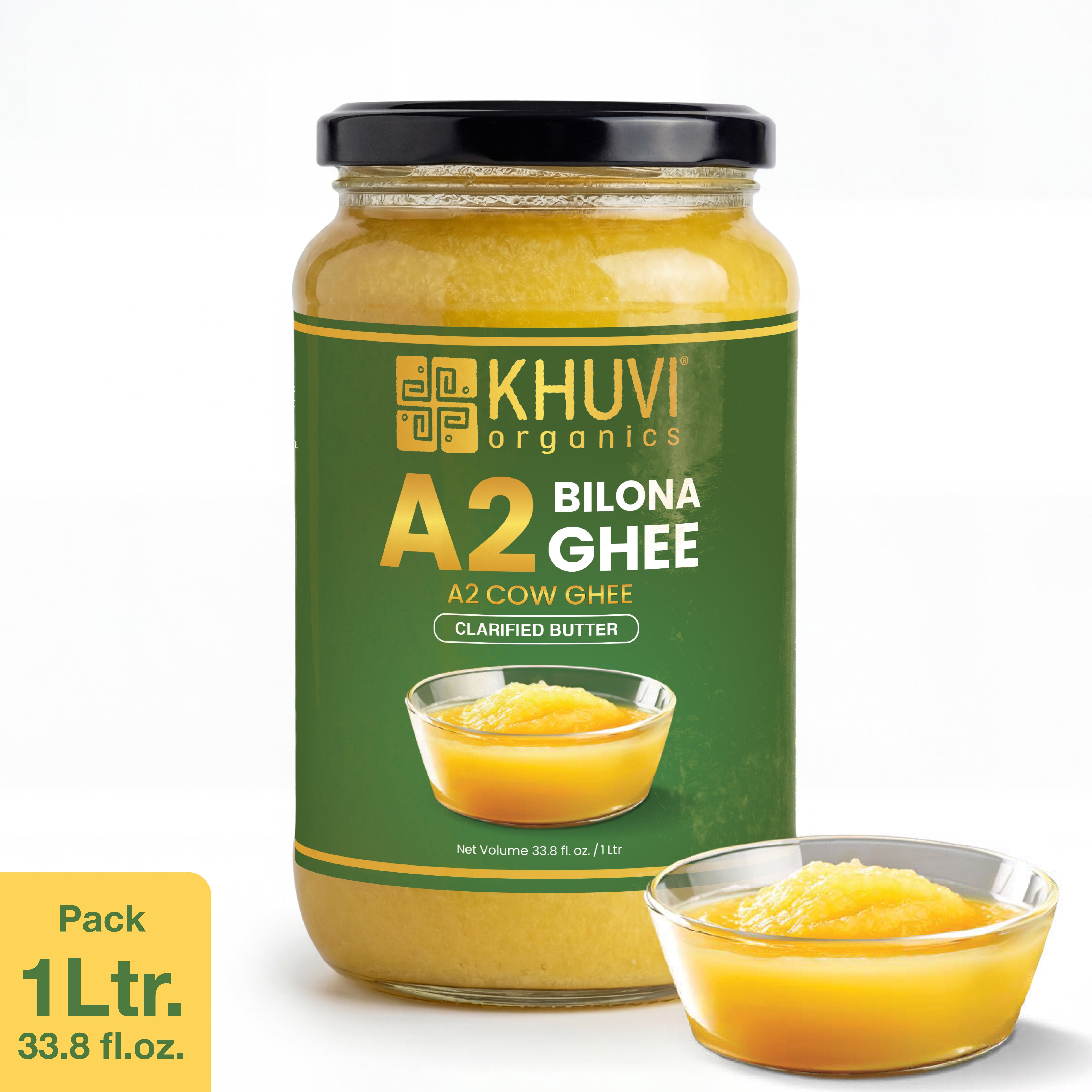
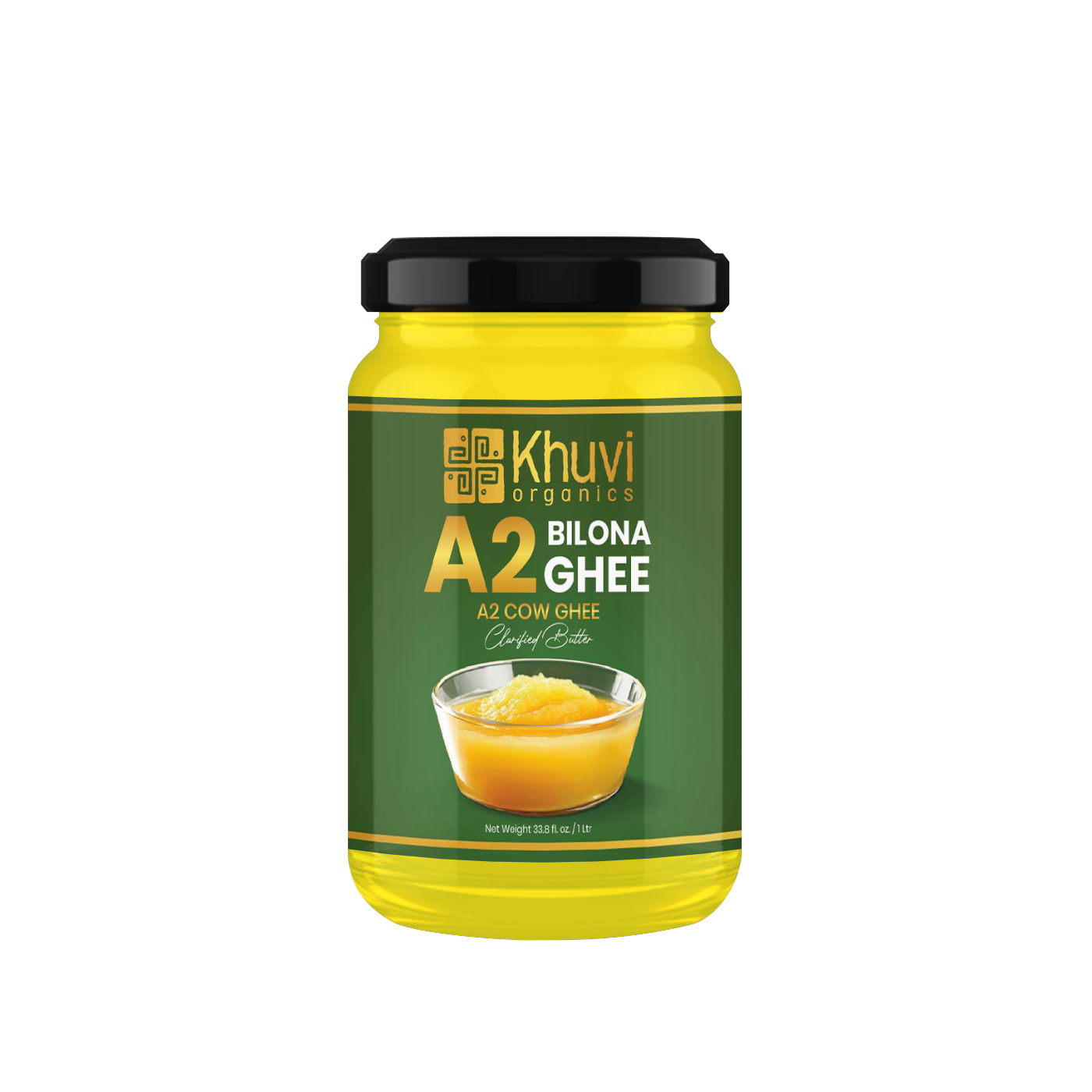
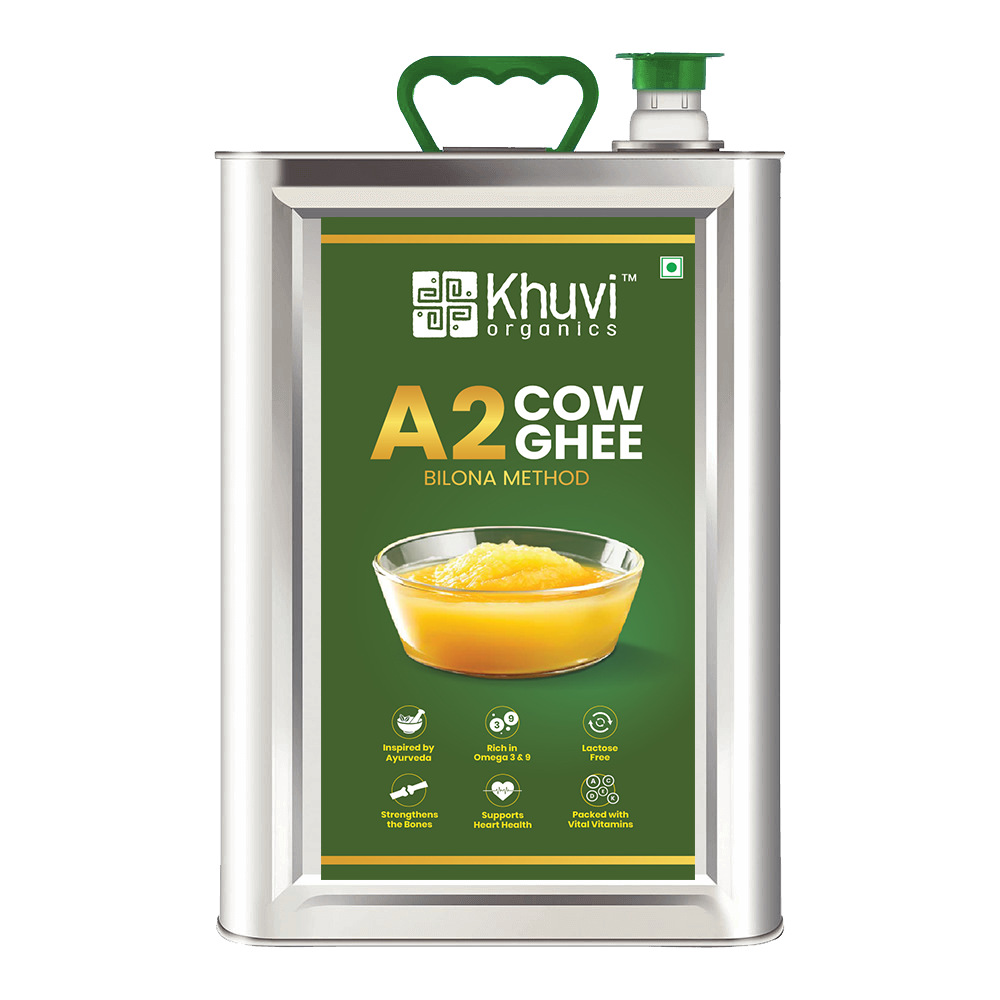
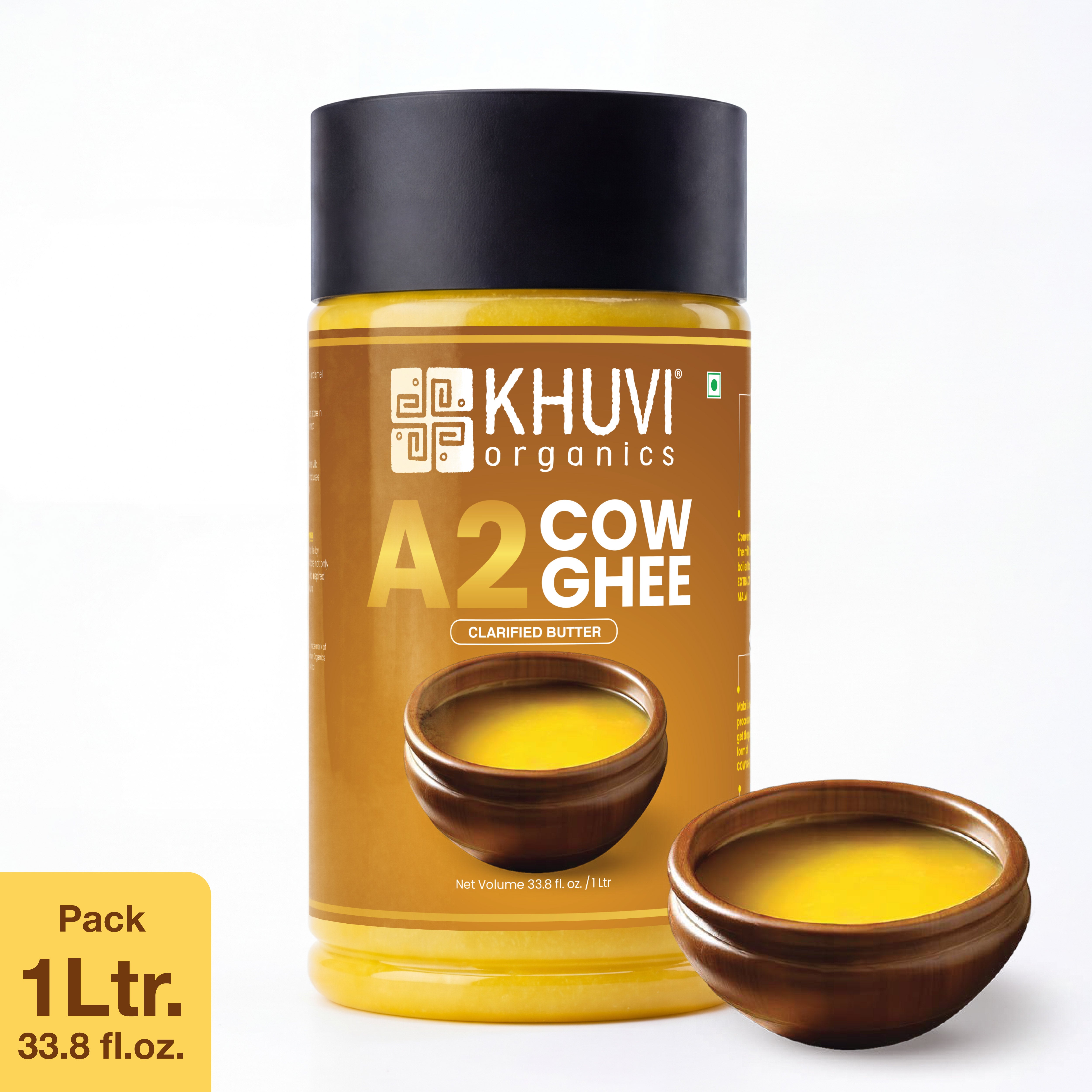
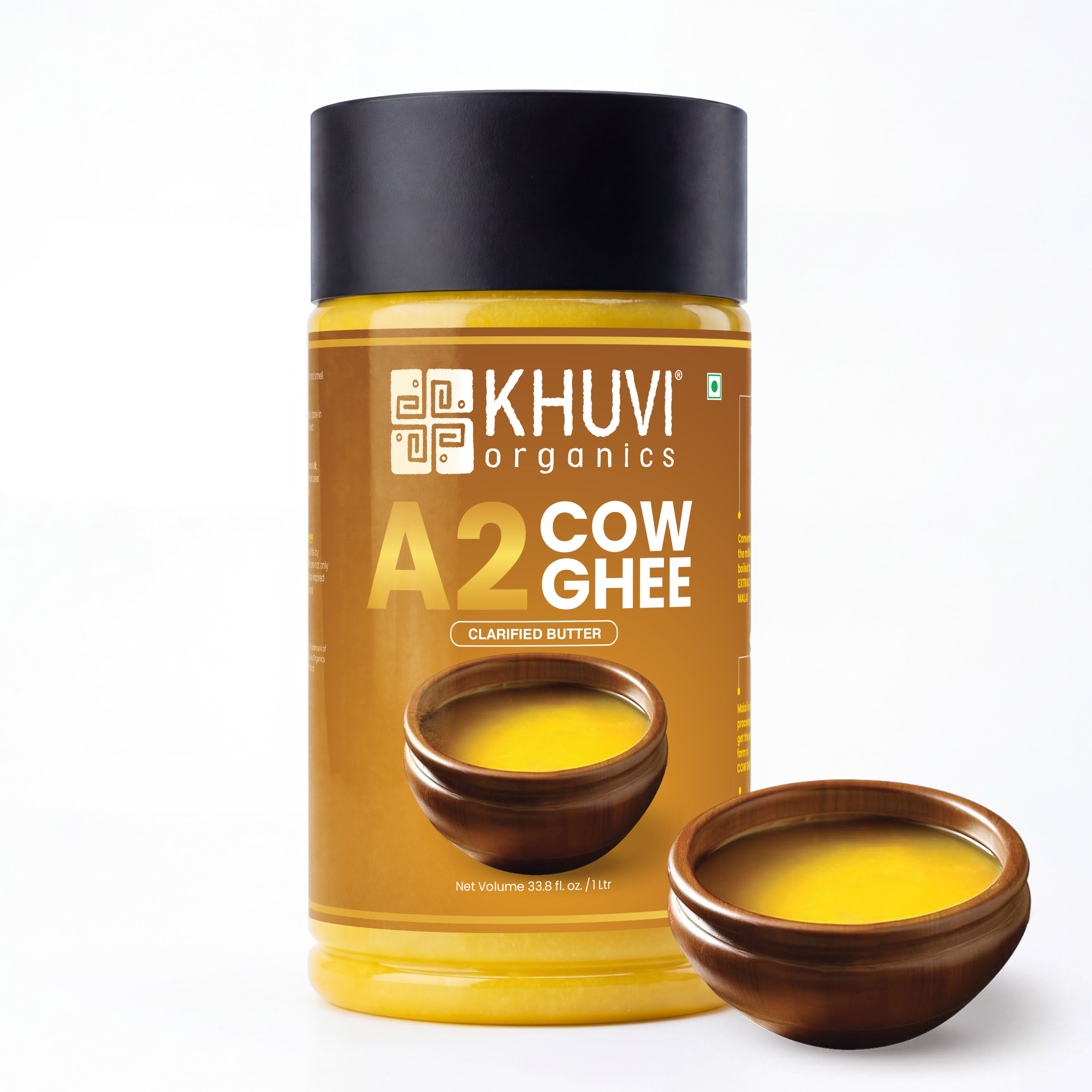
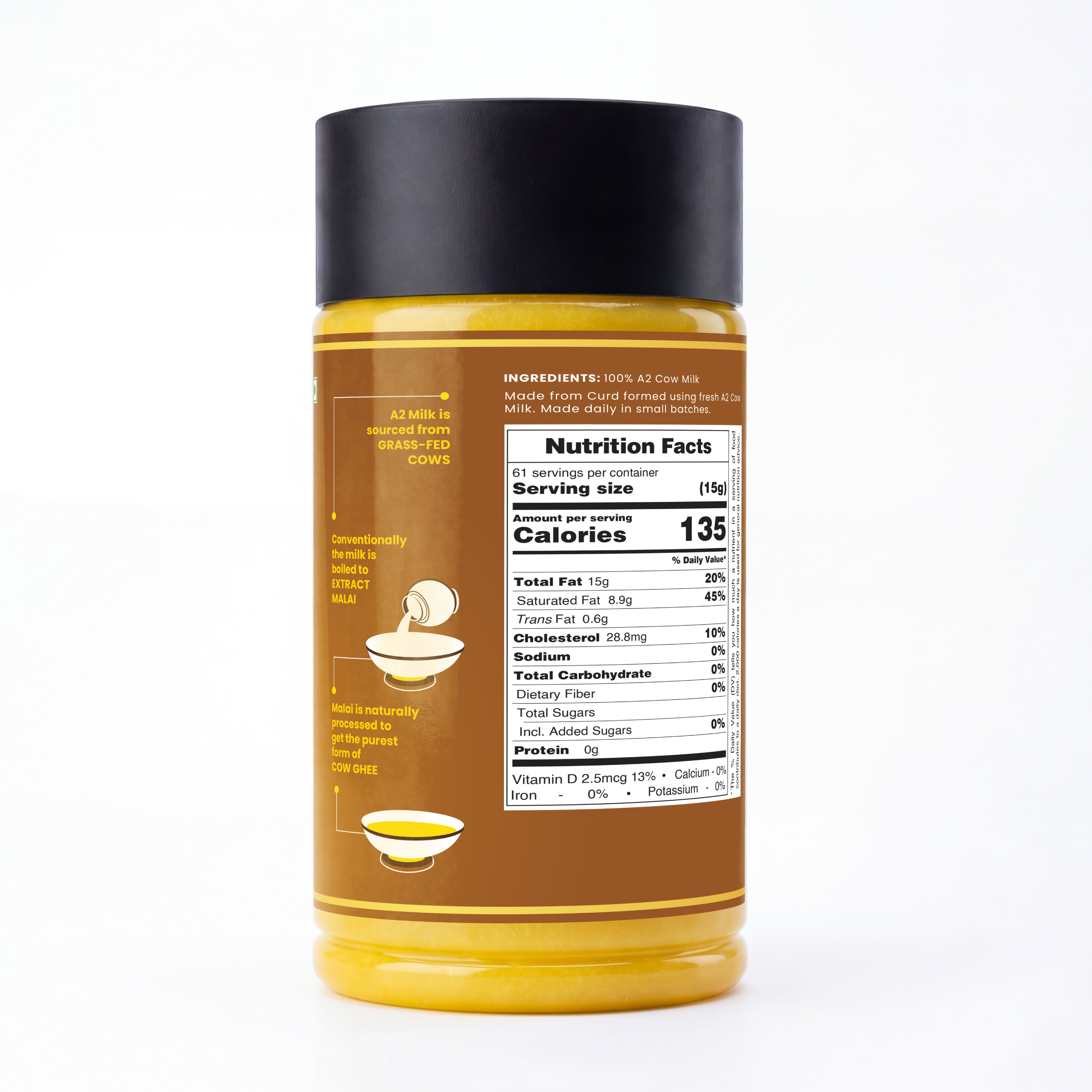
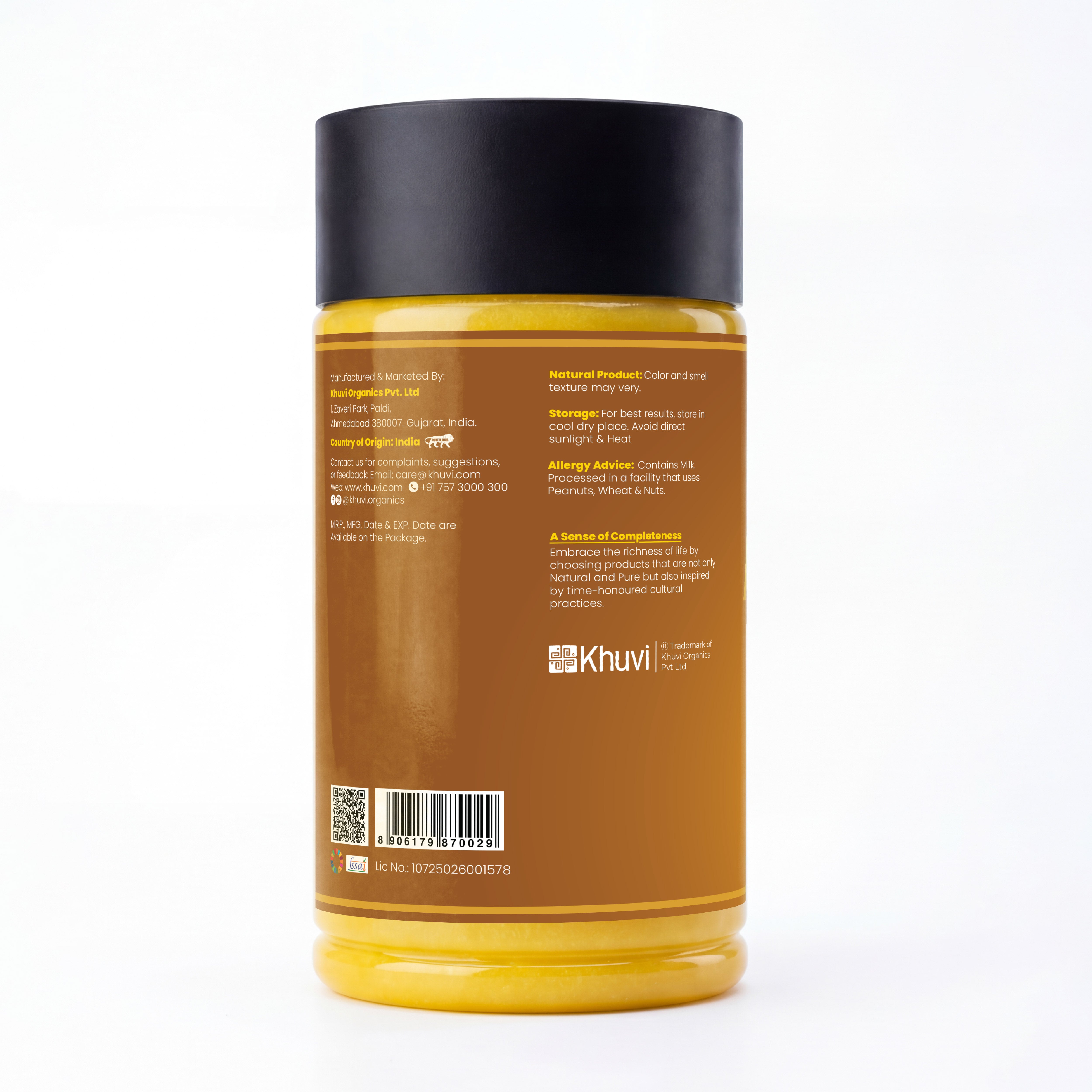
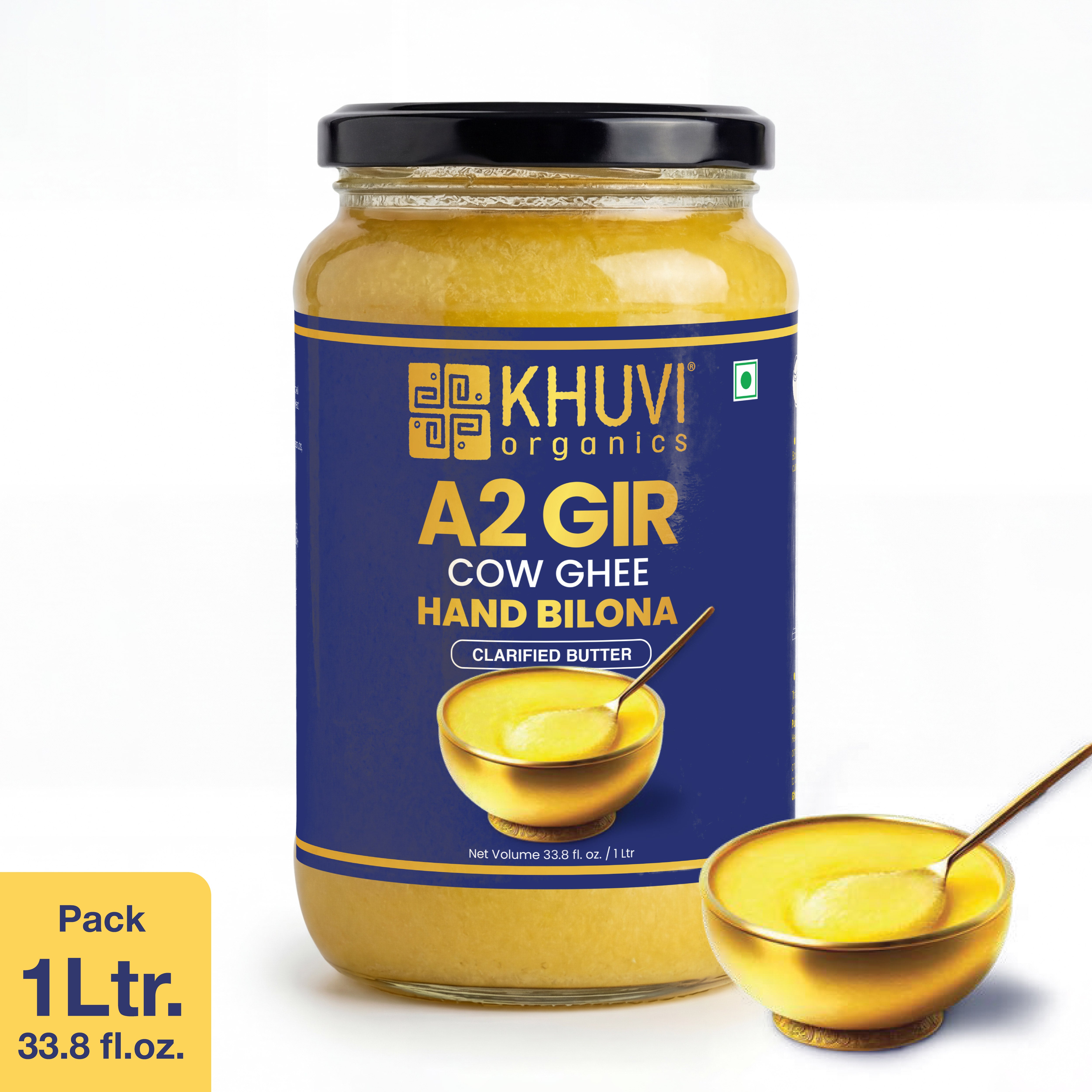
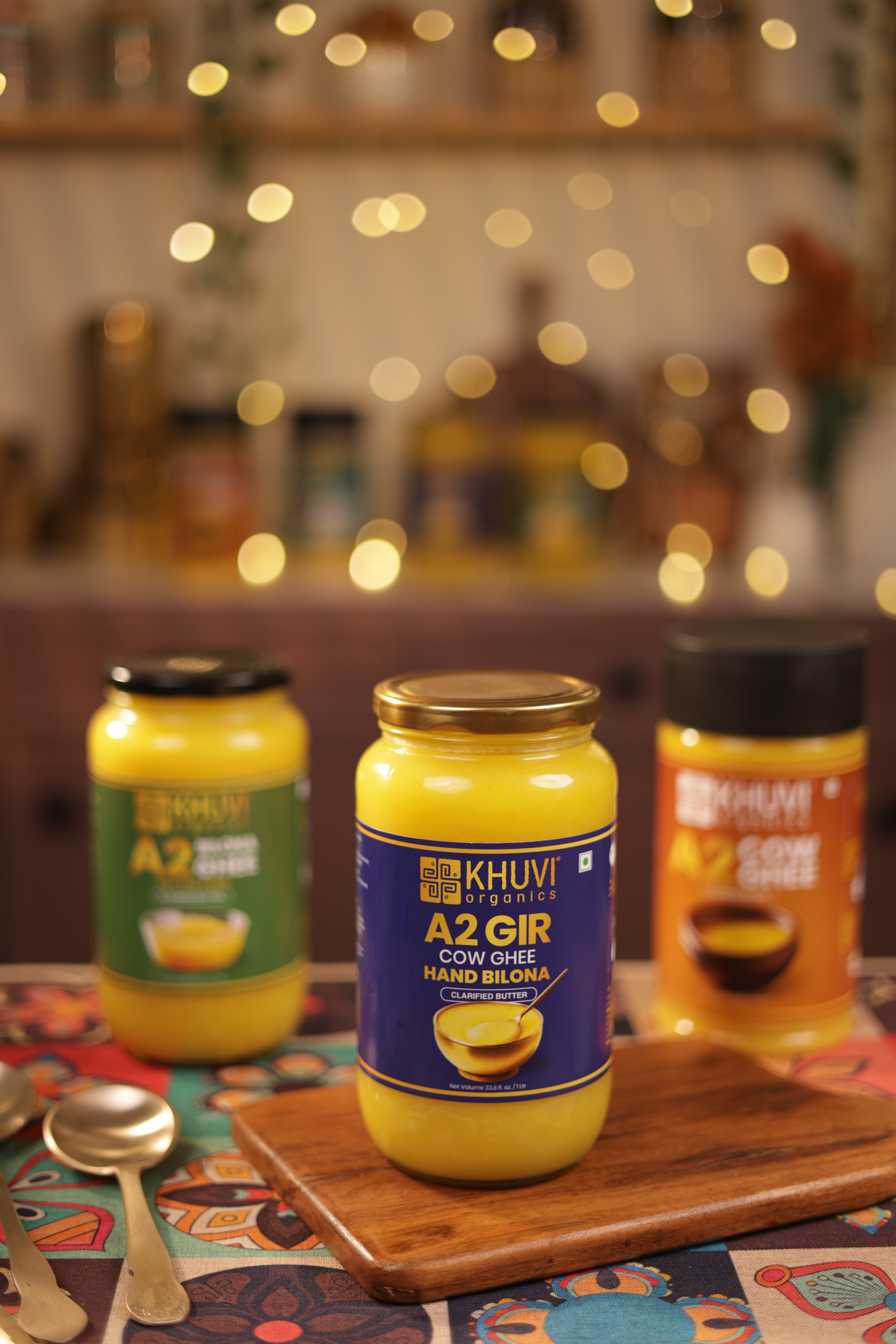
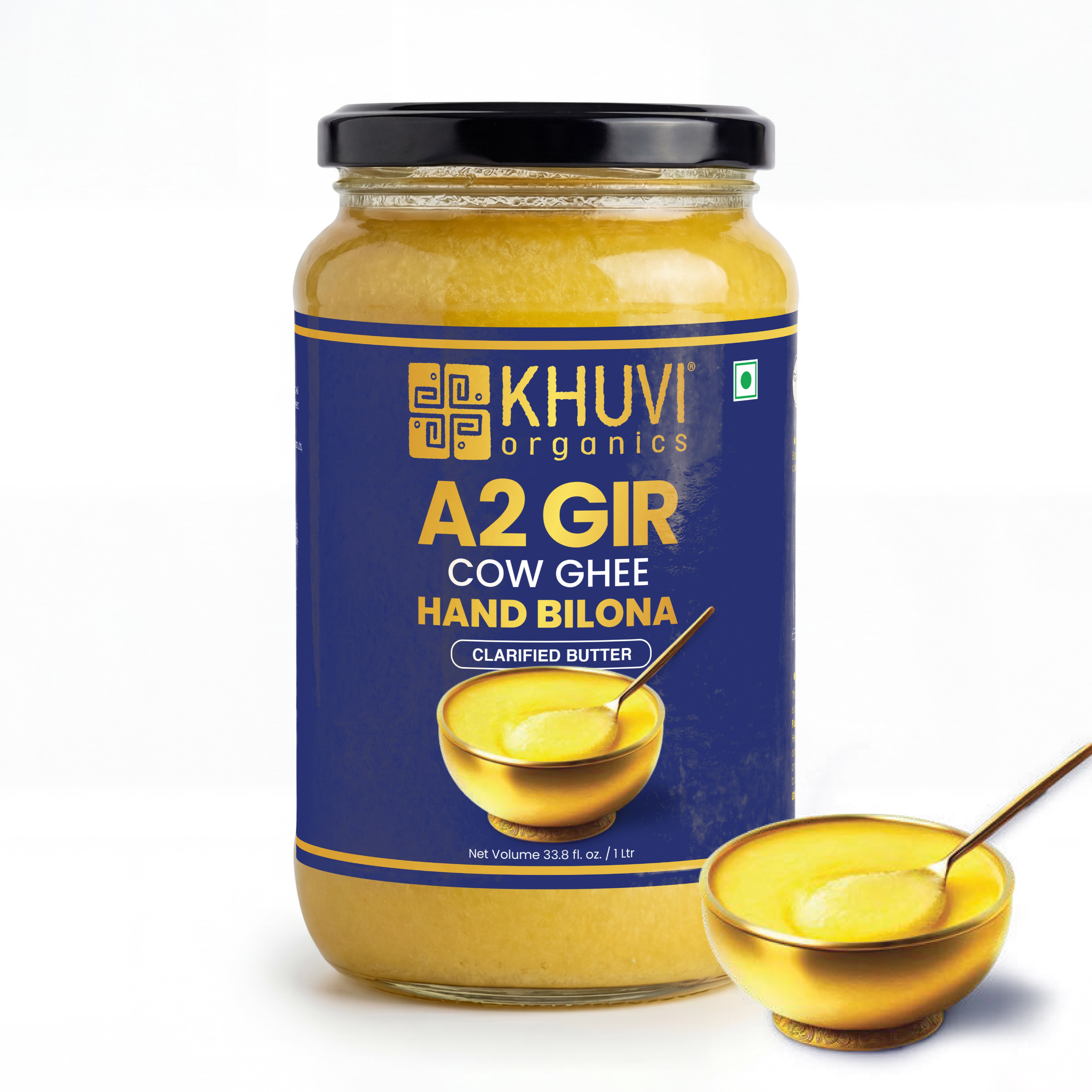
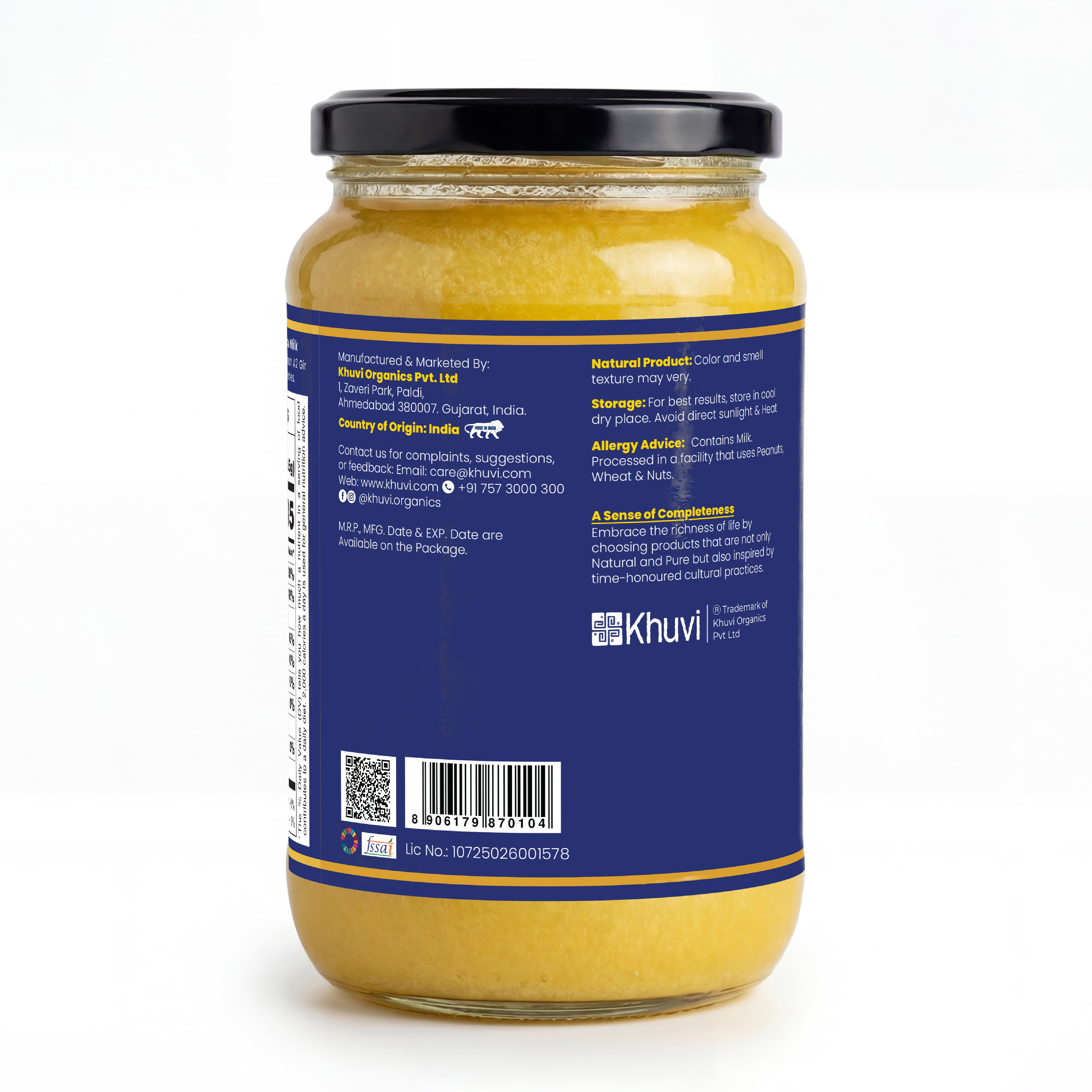
Hand Bilona A2 Gir Cow Pure Ghee
Traditional Bilona A2 Cow Ghee
Crafted from the milk of indigenous A2 Gir cows, our A2 Cow Ghee is prepared using the traditional bilona method — an age-old churning process that helps retain its rich aroma, authentic flavor, and vital nutrients. This slow and natural preparation ensures that the ghee remains pure, golden, and full of life, just as nature intended. Every batch is made with care to preserve the wholesome essence of our desi heritage.
Every drop of our A2 Cow Ghee is filled with the goodness of nature — promoting digestion, boosting immunity, and enhancing overall vitality. Whether you use it for cooking, in Ayurveda, or as part of your daily rituals, this ghee nourishes both body and soul. Experience the purity of tradition and the taste of true wellness with every spoonful.
How Khuvi a2 cow ghee is made
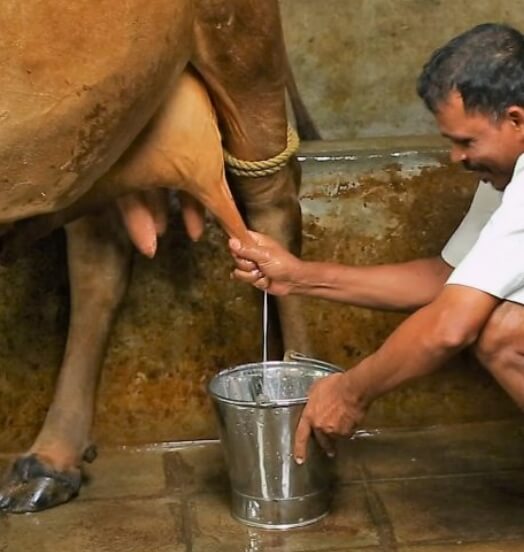
Step1
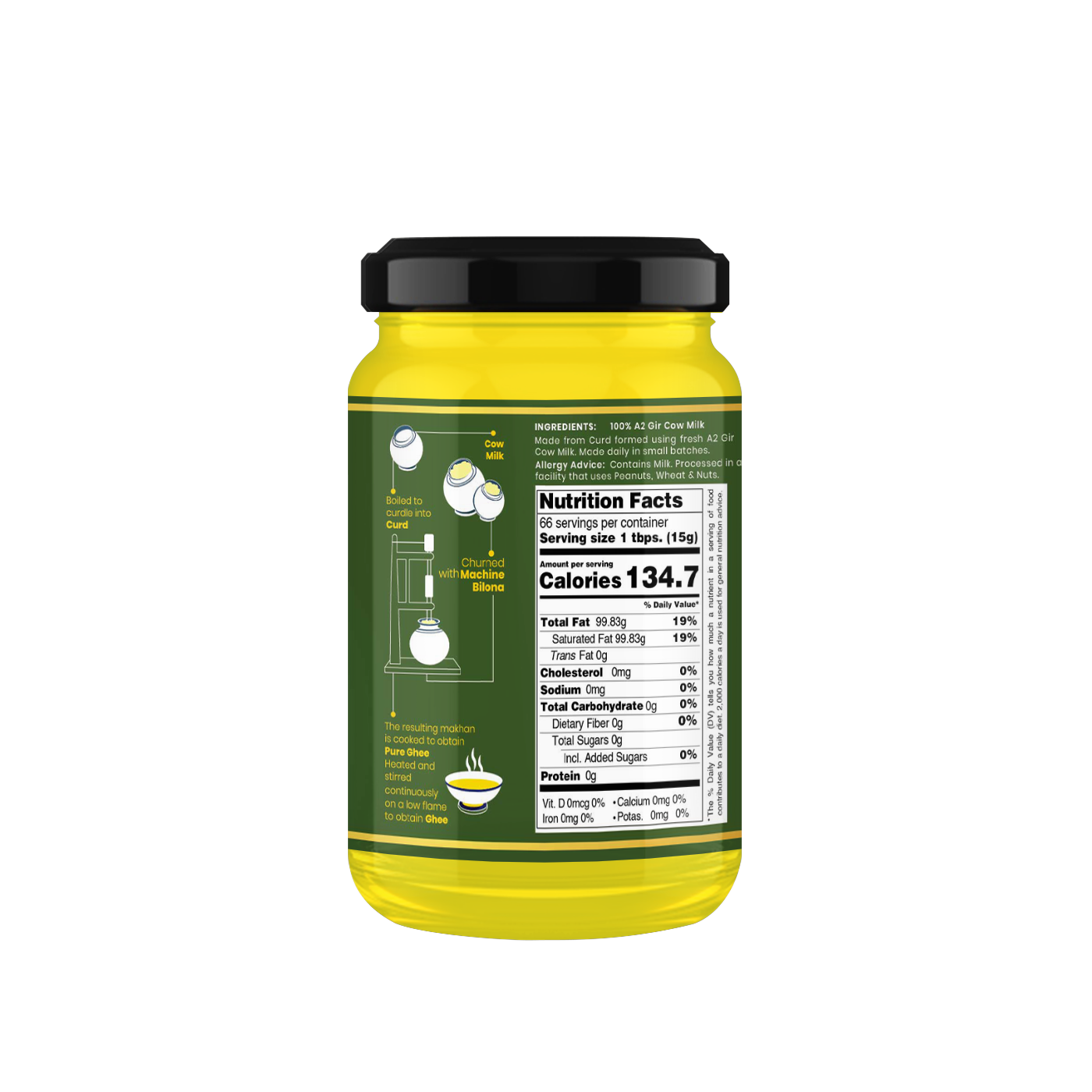
Fresh Milk is Collected
Pure Cow Milk sourced from healthy, grass-fed cows is the foundation for producing high-quality ghee. Grass-fed cows typically graze on fresh, nutrient-dense grass, which contributes to milk that is rich in essential vitamins, healthy fats, and antioxidants. This type of milk is free from synthetic hormones or antibiotics, making it a cleaner, more natural product for ghee production. The wholesome, nutrient-packed milk from these cows ensures that the ghee retains all the beneficial qualities that make it a sought-after cooking fat and health food.
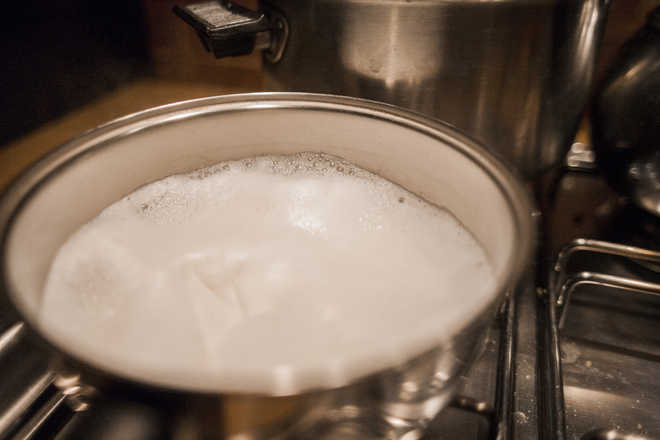
Step2
Milk is Boiled
The collected milk undergoes a thorough boiling process to remove any impurities and ensure it is clean and safe for further use. Boiling the milk helps to break down any residual bacteria or dirt that may be present, ensuring the milk is free of contaminants before it is transformed into curd. During this stage, the milk is carefully monitored to prevent overboiling or scorching, which could affect the quality of the final product. The heat also helps to neutralize any leftover enzymes, creating a smoother, more consistent texture for the curdling process that follows.
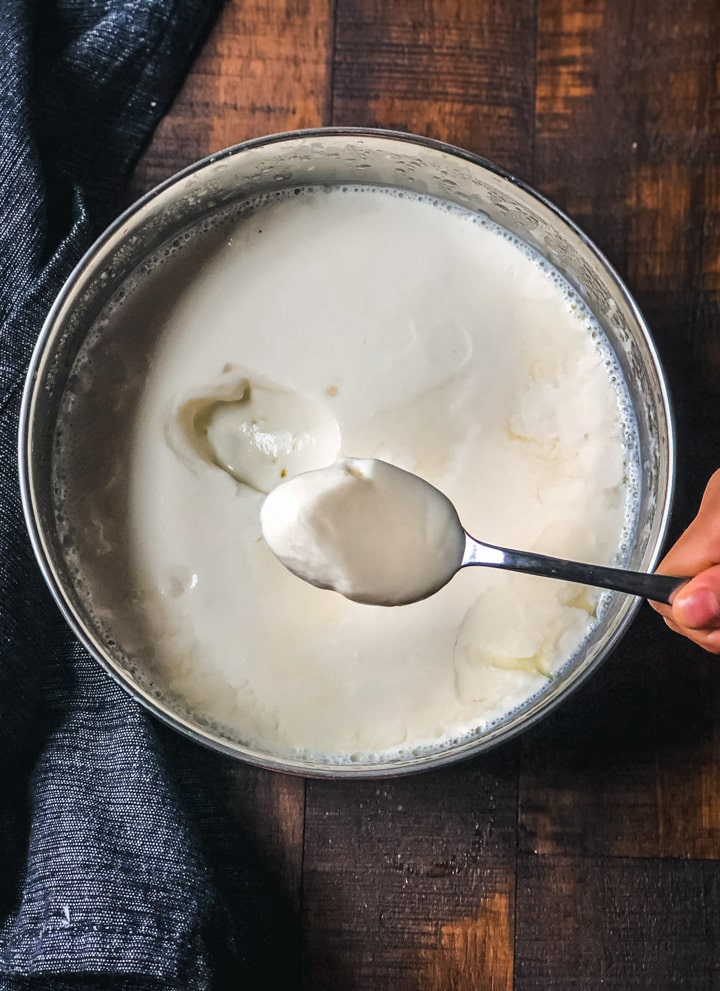
Step3
Milk is Set into Curd
Once the boiled milk cools down to a warm, comfortable temperature, it becomes ready for the fermentation process. At this stage, a small amount of curd starter—typically a spoonful of previously made curd—is gently mixed into the milk. This starter introduces beneficial bacteria, primarily Lactobacillus, which play a crucial role in converting lactose (milk sugar) into lactic acid. This transformation gives curd its characteristic tangy flavor and thick texture. The milk is then covered and kept undisturbed in a warm environment to allow the bacteria to multiply and ferment the milk naturally.
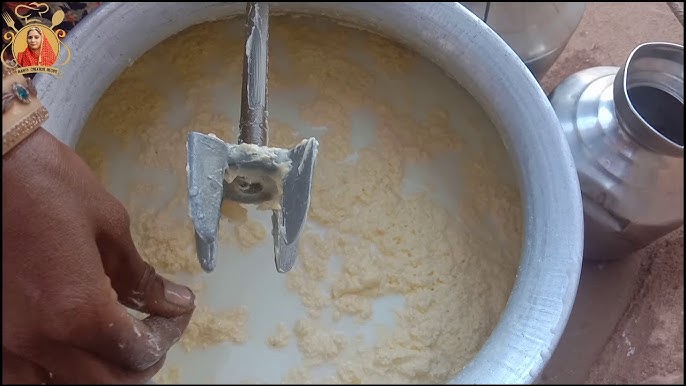
Step4
Curd is Churned to Make Butter
The prepared curd is then churned using either the traditional hand-operated bilona method or modern mechanical churners to separate the butter (makhan) from the buttermilk. In the traditional bilona method, a wooden churner, known as a mathani, is rotated back and forth in an earthen pot containing the curd. This slow and rhythmic churning process helps maintain the natural texture and flavor of the butter while preserving its nutritional value. The mechanical method, on the other hand, uses modern equipment to achieve the same result more efficiently, though many still prefer the traditional technique for its authenticity and the rich, distinct taste it imparts to the final ghee.
Step5
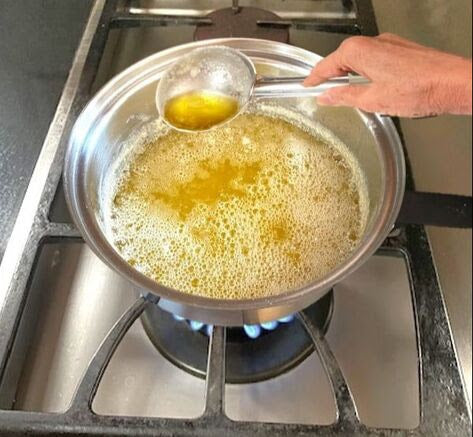
Butter is Heated to Clarify
The freshly extracted butter is carefully heated on a low flame to begin the transformation into pure ghee. This slow heating process allows the water content in the butter to gradually evaporate, preventing any burning or loss of nutrients. As the butter melts, it starts to clarify, and the milk solids begin to separate from the golden liquid fat. The gentle heat ensures that the natural aroma and rich flavor of the butter are preserved, while also allowing the ghee to develop its signature nutty fragrance. This stage requires patience and skill, as maintaining the right temperature is crucial to achieving the perfect texture and color.
Step6
Pure Ghee is Ready
Once the ghee has reached its perfect golden hue, it is carefully filtered to remove any remaining milk solids and impurities. This filtration process ensures the ghee is clear, smooth, and pure, enhancing both its appearance and shelf life. The clarified ghee is then allowed to cool gradually to room temperature, during which it attains its semi-solid, grainy texture—an indicator of its authenticity and quality. Using clean, dry containers for storage is essential to maintain the purity and prevent moisture from spoiling the ghee. Properly prepared and stored, this golden liquid remains fresh and flavorful for months without the need for refrigeration.
A2 cow ghee (Hand bilona)
Hand Bilona A2 Gir Cow Ghee is a high-quality, traditional ghee made from the milk of the indigenous Gir cow breed. This ghee is prepared using the hand churning method, also known as "Bilona" method, which involves churning curd made from cow's milk in a wooden churner to extract butter. The butter is then simmered to obtain pure, golden-yellow ghee.

a2 cow ghee (Bilona ghee)
Machine Bilona A2 Cow Ghee is a premium quality ghee made from the milk of indigenous Indian cows using the traditional Bilona method. The Bilona method involves churning the curd made from whole milk, separating the butter from the buttermilk, and then heating the butter to make pure ghee.
a2 cow ghee
A2 Cow Ghee is a type of clarified butter made from the milk of A2 cows, which are known to produce milk with a specific type of protein called A2 beta-casein. This type of ghee has been a staple of traditional Indian cooking for centuries and is widely used in Ayurvedic medicine for its numerous health benefits.